

Table of Contents
- What You’ll Need to Verify OEM Parts
- Visual Cues for Identifying Original OEM Parts
- OEM vs Aftermarket Parts Quality: What’s the Real Difference?
- How to Spot Counterfeit Electronic Parts
- Benefits of Using OEM Parts for Phone Repair
- Step-by-Step Verification Checklist for Original OEM Parts
- Common Mistakes to Avoid When Identifying OEM Parts
- Frequently Asked Questions
Last Updated: September 28, 2026
What You’ll Need to Verify OEM Parts
Knowing how to identify original OEM parts starts with the right tools and a bit of patience. OEM stands for Original Equipment Manufacturer, meaning the part was made by or for the company that built your device. Here is what you need to verify parts yourself.
- Good lighting, ideally a bright LED desk lamp
- A magnifying glass or your phone’s macro camera
- The device’s model and serial number
- The part’s packaging and any paperwork
- A UV flashlight for checking security marks
You do not need a lab. A clean table and steady hands go a long way. The FTC’s guidance on counterfeit goods explains why fake parts keep spreading through online marketplaces.
Visual Cues for Identifying Original OEM Parts
The fastest way to spot a genuine part is to look closely at how it is packaged and marked. Fakes often get the big details right but slip on the small ones. Slow down and check each layer.
Packaging and Labels
Real OEM packaging uses sharp printing and consistent colors. Counterfeit boxes often look slightly off. Check these details:
- Fonts should match the brand’s official style exactly
- Barcodes should scan and match the part number
- Serial numbers should be unique, not repeated across boxes
- Seals should be intact, not re-taped or glued
If the box feels flimsy or the ink smears, walk away.
Part Markings and Holograms
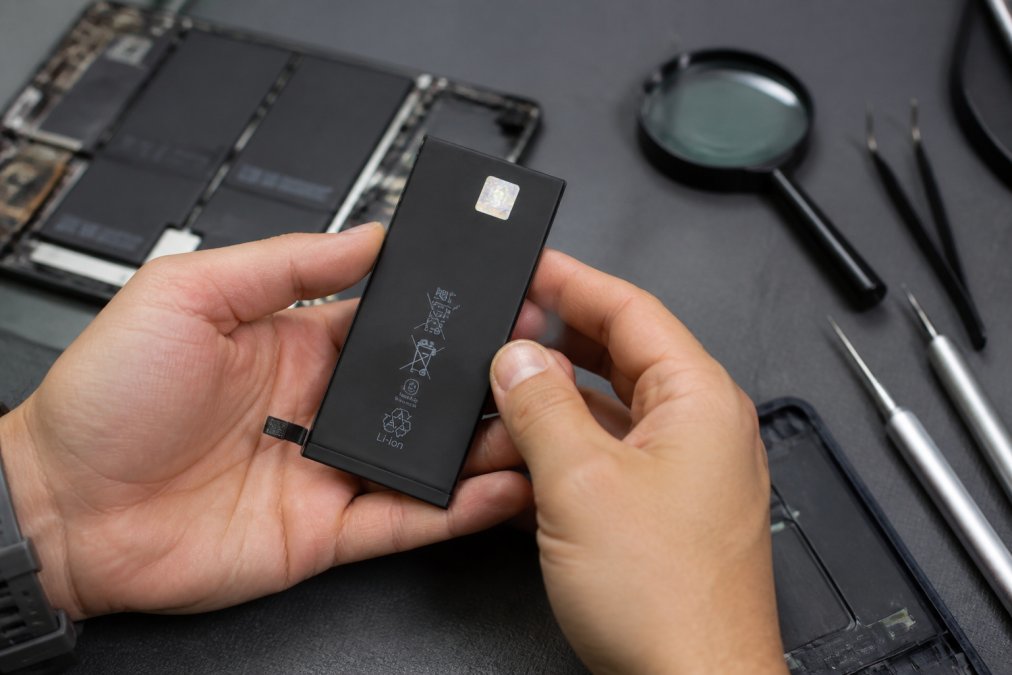
Genuine parts carry etched or laser-printed markings, not stickers. Holograms should shift color when you tilt them. A flat, printed “hologram” is a red flag. Also check that the part number matches the model you are repairing.
Shine a UV light on the label. Many OEM labels use hidden ink that glows under UV. Most counterfeits skip this step entirely.
OEM vs Aftermarket Parts Quality: What’s the Real Difference?
OEM parts are made to the device maker’s exact specs, while aftermarket parts come from third-party companies. The OEM vs aftermarket parts quality gap shows up in fit, lifespan, and safety. Aftermarket parts can work well, but quality varies wildly between sellers.
Here is how they compare:
| Factor | OEM Parts | Aftermarket Parts |
|---|---|---|
| Fit and finish | Exact match | Often close, sometimes off |
| Warranty | Usually covered | Varies by seller |
| Price | Higher | Lower |
| Quality control | Strict | Inconsistent |
For a work phone or a device you rely on daily, OEM is the safer bet. For an old console you rarely use, a good aftermarket part may be fine. The key is knowing which you are buying.
How to Spot Counterfeit Electronic Parts
Counterfeit parts are a growing problem, and they are getting harder to catch. The U.S. Customs and Border Protection regularly seizes fake electronics at the border. Learning to spot counterfeit electronic parts protects your device and your wallet.
Common Counterfeit Indicators
Watch for these warning signs:
- Prices far below market rate
- No serial number or a reused one
- Blurry or misspelled text on labels
- Missing certification marks
- Sellers who avoid questions about origin
If a deal feels too good, it usually is. Ask the seller where the part came from. Honest shops will tell you.
A counterfeit battery can swell, overheat, or fail without warning. Saving a few dollars on a fake cell is not worth the risk to your device or your safety.
Benefits of Using OEM Parts for Phone Repair
The benefits of using OEM parts for phone repair come down to three things: reliability, fit, and resale value. OEM parts are built for your exact model, so they snap in cleanly and last longer. They also keep your device’s warranty intact in many cases.
Other perks include:
- Better battery life and performance
- Fewer returns and repeat repairs
- Higher resale value if you sell later
At FixPhone, we use OEM or premium parts on every repair and back the work with a 60-day warranty.
Step-by-Step Verification Checklist for Original OEM Parts
Use this checklist every time you buy a part, whether online or in person. It takes about five minutes and saves hours of regret.
- Confirm the part number matches your exact model
- Inspect packaging for sharp print and intact seals
- Check labels under a UV light
- Scan the barcode and verify the serial number
- Tilt any hologram to confirm it shifts color
- Compare the part against a known genuine photo
- Ask the seller for the source and warranty terms
- Test the part before full installation
If any step fails, stop. A real OEM part will pass all eight checks.
Common Mistakes to Avoid When Identifying OEM Parts
The biggest mistake is trusting the label without checking the part itself. Fakes copy labels well but rarely match the physical build. Here are other traps to dodge:
- Buying from sellers with no return policy
- Skipping the UV check because it feels like overkill
- Assuming a high price means a genuine part
- Ignoring small color or weight differences
- Not testing before installing
A common mistake is rushing. Take the extra minute to compare. If you are unsure, bring the part to a shop that handles repairs daily.
Frequently Asked Questions
What is the difference between OEM and aftermarket parts?
OEM parts are made by the original device manufacturer or an authorized supplier, ensuring exact fit and performance. Aftermarket parts are produced by third-party companies and may vary in quality. OEM parts typically come with a warranty and are designed specifically for your device model. Aftermarket parts can be cheaper but might not meet the same specifications, potentially affecting device longevity and performance.
How can I tell if a replacement screen is original OEM?
Check for a genuine part number etched on the flex cable, compare packaging holograms, and verify the serial number with the manufacturer. Original OEM screens often have a distinct connector shape and may include a protective film with branding. If the price seems too low or the seller cannot provide documentation, it’s likely not OEM. When in doubt, ask a certified technician to inspect the part before installation.
Are OEM parts always better than third-party parts?
OEM parts generally offer better reliability and compatibility because they are made to the manufacturer’s exact standards. However, some high-quality third-party parts can perform well for certain components. The key is to verify the source and specifications. For critical parts like screens and batteries, OEM is usually the safer choice to avoid issues like reduced battery life or touch responsiveness problems.
What are the risks of using counterfeit parts in smartphones?
Counterfeit parts can cause device malfunctions, overheating, battery swelling, or even safety hazards like fires. They often lack proper certifications and may damage other components. Additionally, using counterfeit parts can void your device warranty and lead to costly repairs later. Always purchase from reputable suppliers and verify authenticity through part numbers and holograms to avoid these risks.
Counterfeit parts waste money and put your device at risk. FixPhone takes the guesswork out of the process. Our certified technicians use OEM or premium parts, offer free diagnostics with no hidden fees, and finish most repairs in 45 minutes or less, all backed by a 60-day warranty. Get started with FixPhone and keep your devices running with parts you can trust.